Practical guide
How to track overdue payments and follow up with Totum AI
A customer says they have paid. Your report still shows an outstanding balance. Before anyone sends another reminder, the team needs to understand what happened.
Totum helps you find overdue balances, inspect the relevant records, and organise the next action. The useful outcome is a clear follow-up task for each unresolved item.
Get the list for the right company
Select the company and ask Totum for overdue customer balances or outstanding invoices for the period you want to review. Check how old the balances are and which invoices make up each total.
An example request is “Show overdue customer invoices for the selected company.” Follow up with the customer name when you need the underlying records.
Decide what each balance needs
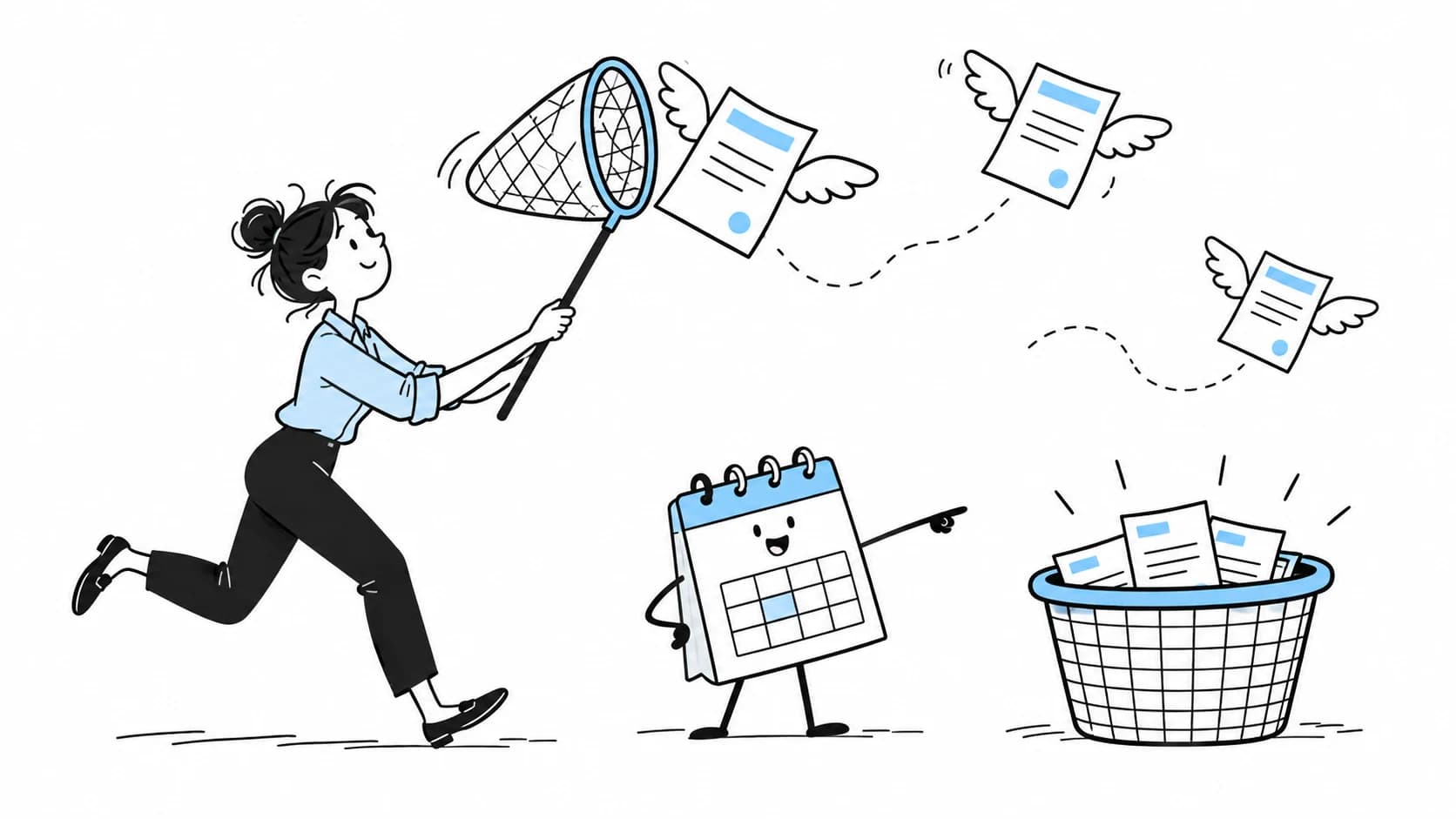
Some items need a reminder. Others need a copy of the invoice, an answer to a billing question, or a check on a payment the customer has already sent. Record the next action and who is responsible.
- Check the invoice and amount before contacting the customer.
- Assign the follow-up or create a reminder.
- Record missing information the team needs to collect.
- Revisit items that have no confirmed resolution.
Connect the follow-up to the work
Configured communication workflows can bring accounting requests from Gmail, WhatsApp, and Slack into the team’s work. The hospitality Slack story shows how a conversation can lead to a reviewed accounting action.
Set up the relevant workflow before relying on automated delivery. A reminder task and a message sent to a customer are different outcomes, so check what has actually happened.
Check receipts before marking an invoice settled
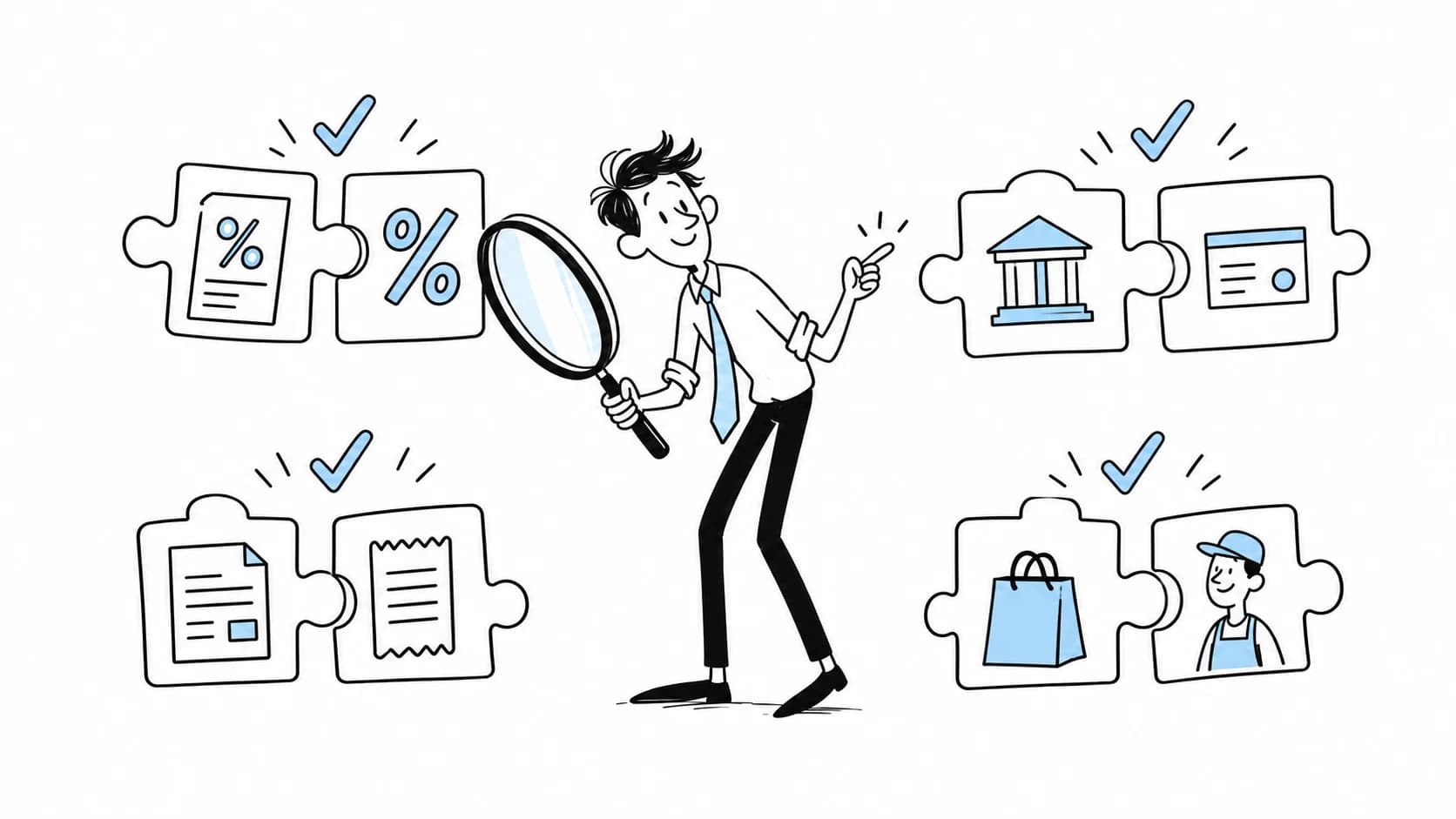
Use bank and vendor reconciliation to investigate payments and related records. Compare references, dates, amounts, and supporting information before accepting a match.
If an accounting entry is missing, prepare the appropriate write action, review it, and check the completed posting. A customer’s payment confirmation is a starting point for that check.
Work through older balances separately
An old outstanding balance may need more investigation than a recent overdue invoice. Follow the method in aligning historical books to trace the entries and supporting documents.
Repeat the review for each company. Keep the invoice, bank account, and accounting records in the same company context throughout.
Get started
Automate your accounting with Totum AI
Entries, invoices, reconciliation, and reports. One workspace for your accounting team.
Start for freeKeep reading